Our new podcast features musical examples from recordings of Das Rheingold ranging from 1904 to 2015. In case you’d like to look while listening, here are photos of some of the singers featured in this podcast.
Showing posts with label Das Rheingold. Show all posts
Showing posts with label Das Rheingold. Show all posts
Friday, August 4, 2023


Monday, July 24, 2023
Retired Horn Player Remembers Seattle Opera’s First Wagner Tubas
 |
| The Wagner Tuba was commissioned by the composer in 1874. The first tubas were built by Georg Ottensteiner in Munich, Germany. |
Back in the mid-1970s, there weren’t many places to experience Der Ring des Nibelungen in its entirety. Fortunately for us, Seattle was the only place in the US to showcase Richard Wagner’s masterwork at that time. Our first Ring cycle was in 1975 under the stage direction of George London and baton of Henry Holt. That production featured nearly 200 artists, including Walter Cole, one of four Wagner tuba players.
“Those first Ring cycles were some great times,” Cole said, “especially for us—the horn players.” In addition to the music, Cole and his three colleagues were eager to play the four new Wagner tubas that the opera had acquired especially for the performance. “I’ve been a musician all my life, but that is one of my proudest moments,” said the 92-year-old retiree.
Monday, July 10, 2023
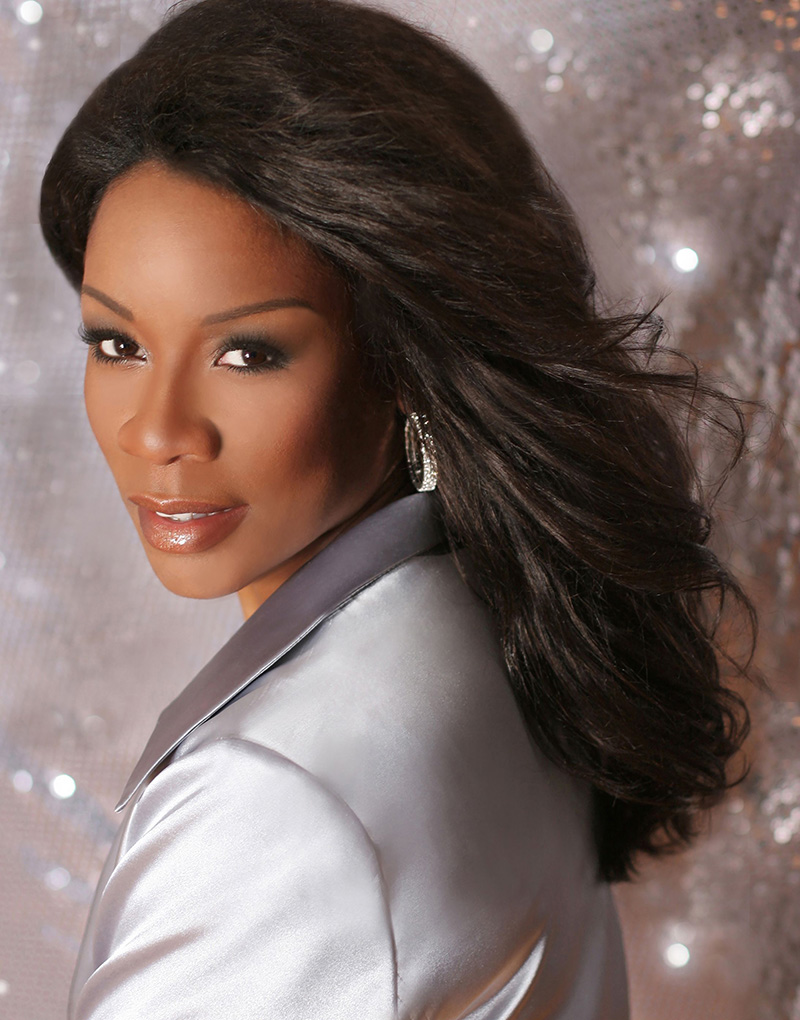
A Conversation With Denyce Graves
 |
| © Devon Cass |
Considered as one of the preeminent mezzo-sopranos of her generation, Denyce Graves has performed in many of the world’s most important opera houses, sharing the stage with many distinguished opera stars. Widely acclaimed for her signature title roles in Carmen and Samson and Delilah, Graves has appeared on Sesame Street and Between the Lions and featured on CBS’s 60 Minutes. She’s performed during the 55th Presidential Inauguration of Vice President Dick Cheney and George W. Bush. She’s sang “America the Beautiful” and “The Lord’s Prayer” at Washington National Cathedral during the memorial service for the victims of 9/11. And most recently, Graves has sung at the US Capital as her friend Ruth Bader Ginsburg’s casket was lying in state. In this conversation with Seattle Opera, Graves talks about her mother’s influence, performing with Elmo, her passion helping the next generation of classical performers, and more.
Thursday, April 21, 2016
A Lexicon of Wagnerian Gibberish
Wagner considered himself first a writer and poet, and secondarily a composer. So far as he was concerned, he only wrote music because his words made a stronger impression when sung. Unlike most opera composers, Wagner wrote all his librettos himself. Thanks to the curiously dual nature of his genius, his words and music, united, are much stronger than either by itself. When pontificating about his art (a favorite pastime), he loved to speak of a ‘marriage’ between words and music, sense and sound, with the masculine word planting a seed in feminine music, who then brings to bear glorious fruit.
Curiously, despite Wagner’s own bias towards words and ideas, some of the liveliest moments in his operas come when his characters stop singing words and start singing nonsense instead. In The Flying Dutchman, for example, the maritime setting and sea-shanty-soaked score calls for lots of “Yo Heave Ho” sailor/pirate jabber.
Subscribe to:
Posts (Atom)
Also Find Us Here


Subscribe To


 Posts
All Comments